
Inguinal Hernia
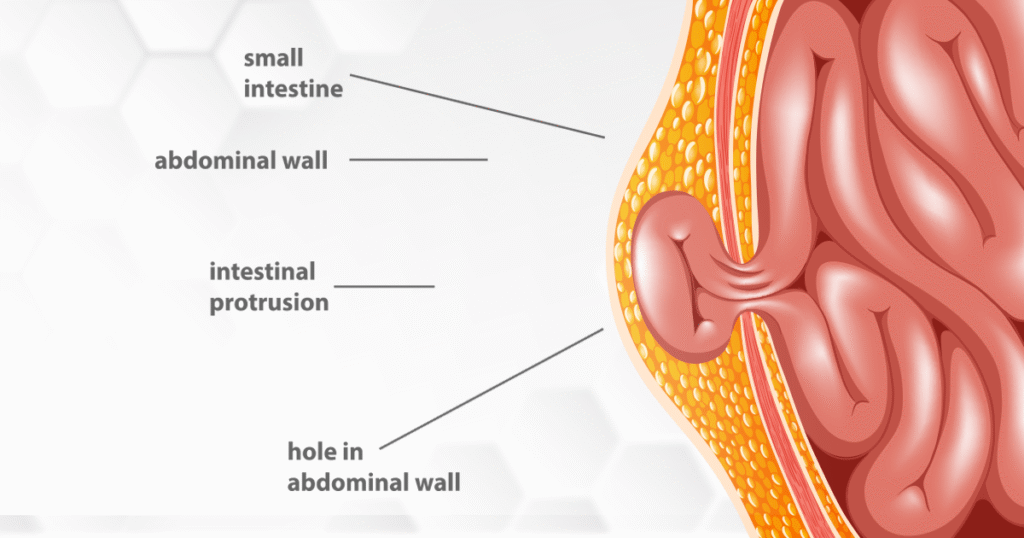
Understanding Your Inguinal Hernia
Your inguinal hernia may appear as a bulge in your groin or are experiencing discomfort that worsens when standing, coughing, or lifting. Mr Mohamed Aly is a specialist laparoscopic surgeon who performs inguinal hernia repair regularly at his London practice, offering keyhole surgery with mesh for rapid recovery and low recurrence rates. Both single and bilateral (double) hernia repairs are performed in a single operation wherever possible.
The procedure code for Laparoscopic repair of inguinal hernia requiring mesh – unilateral is T2021, to give your insurance provider. Same day diagnostics are available when required.
Patient feedback after inguinal hernia surgery
What does an inguinal hernia feel like?
- A bulge in the groin, often more visible when standing, coughing, or straining.
- A dull ache, discomfort, or pressure in the groin.
- A feeling of heaviness in the groin area.
- The bulge might disappear when you lie down.
Why does an inguinal hernia happen?
Inguinal hernias happen due to a weak spot in the abdominal wall. This can be present from birth or develop over time from:
- Increased pressure inside the abdomen (e.g., chronic coughing, heavy lifting, straining during bowel movements).
- Aging and natural weakening of muscles.
- Prior abdominal surgery.
Why is it more common in men?
Males have a natural weak spot in the groin where the testicles descended during development. This area, the inguinal canal, doesn’t always close completely, making it more prone to a hernia.
Can an inguinal hernia cause other symptoms?
Yes, while primarily a bulge, an inguinal hernia can cause other related symptoms:
- Stomach pain If the hernia involves part of the intestine, you might feel abdominal discomfort or cramping.
- Testicle pain Yes, if the hernia extends into the scrotum, it can cause pain, swelling, or discomfort in the testicle.
- Back pain Typically, no. Inguinal hernias don’t directly cause back pain. Any connection would likely be indirect (e.g., changes in posture due to discomfort).
- Frequent urination Uncommon, but a very large hernia can sometimes put pressure on the bladder, leading to more frequent urination.
- Diarrhoea? Not a direct cause. However, severe hernias can impact bowel function, potentially leading to changes like diarrhoea or constipation.
Is inguinal hernia surgery dangerous?
All surgery carries risks, but inguinal hernia surgery is generally safe and effective. Complications are rare but include chronic pain, infection, bleeding, nerve damage, or the hernia returning.
When is an inguinal hernia an emergency?
Seek immediate medical attention if you experience any of these signs, as they could indicate a trapped (incarcerated) or blood-supply-cut-off (strangulated) hernia:
- Sudden, severe pain in the hernia area.
- The hernia bulge becoming firm, tender, or discolored (red, purple, dark).
- Nausea, vomiting, or fever with hernia pain.
- Inability to push the hernia back in (if it previously went back).
- Inability to pass gas or have a bowel movement.
Diagnosis
A physical exam is usually enough to diagnose an inguinal hernia. A scan like ultrasound can confirm the hernia, especially for smaller or less obvious cases.
What is the best surgery for inguinal hernia? Laparoscopic (Keyhole) Mesh Hernia Repair is the best and approved way to repair an inguinal hernia
I specialise in laparoscopic (keyhole) hernia repair with mesh for most inguinal hernias. This minimally invasive approach offers significant benefits for our patients.
How laparoscopic hernia surgery is done:
Instead of a large incision, I use several small incisions.
- A thin tube with a camera (laparoscope) is inserted through one small incision, allowing your surgeon to view the hernia on a high-definition screen.
- Specialised surgical instruments are inserted through other tiny incisions.
- The bulging tissue is gently guided back into the abdomen.
- A high-quality synthetic mesh is then precisely placed over the weakened area from the inside. This mesh acts like a strong patch, reinforcing the abdominal wall and significantly reducing the risk of the hernia returning.
- The small incisions are then closed.
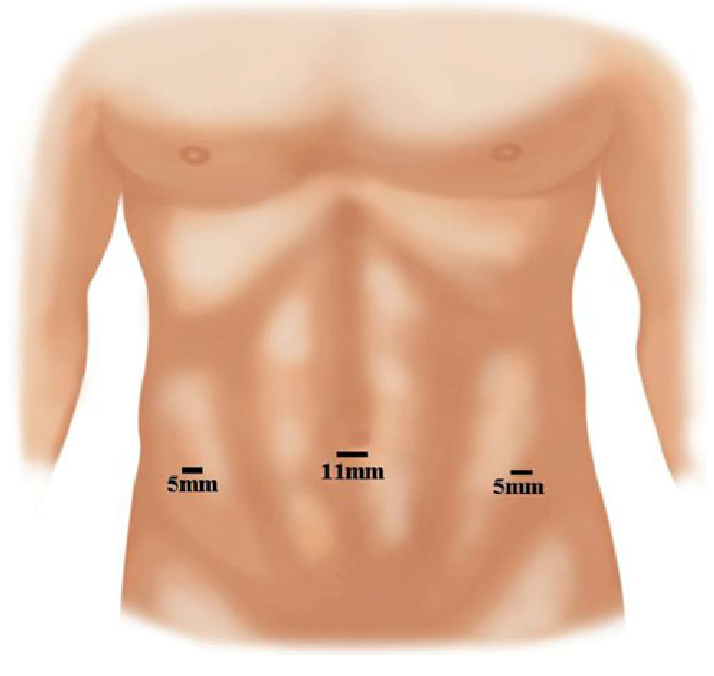
Benefits of Laparoscopic Keyhole Surgery with Mesh:
- Smaller incisions: Leads to less scarring.
- Reduced pain: Generally less post-operative discomfort compared to open surgery.
- Faster recovery: Many patients return to daily activities more quickly.
- Lower risk of infection: Smaller incisions can mean a reduced risk.
- Precise repair: The mesh provides robust, lasting support.
What to Expect: Recovery Time & Healing
Recovery varies for each person, but our laparoscopic approach aims for a smoother process.
- Initial healing is typically a few weeks, with full internal healing taking several months.
- Most patients can resume light daily activities within a few days to a week. You’ll typically be able to return to more strenuous activities, including exercise and heavy lifting, within 4-6 weeks, as advised by your surgeon.
- Expect some mild pain, swelling, and bruising at the incision sites. We’ll provide medication and guidance to manage this effectively.
- Inguinal hernia lifting restrictions are crucial. You’ll need to avoid heavy lifting and strenuous activities for several weeks to allow the mesh repair to integrate fully and prevent recurrence.
I will provide you with detailed post-operative care instructions to ensure your best recovery.
Ready to discuss your options for inguinal hernia repair?
Mr Aly specialises in laparoscopic keyhole hernia repair and performs these operations regularly at his London practice. Most patients are back to light activities within a week. To discuss your hernia with Mr Aly, contact the team today.
Or email aly.admin@lips.org.uk. You do not need a GP referral to be seen privately.